Compare Local Contractors for Tree Canopy Thinning Services
Compare local contractors for tree canopy thinning to define scope, verify experience, and set clear expectations for a successful project.
Tree canopy thinning involves selectively removing or pruning branches to reduce the density of tree foliage, improving air circulation, sunlight penetration, and overall tree health. This work typically covers assessing individual trees, planning the appropriate pruning techniques, and executing the removal of excess branches while preserving the tree’s structure. Property owners should ensure that contractors understand the specific goals of the project, whether it’s for safety, aesthetic reasons, or to promote healthier growth, and that they have experience working with the types of trees present on the property.
Defining the scope of tree canopy thinning is essential for setting clear expectations and ensuring the work aligns with property owners’ needs. A well-detailed scope might specify which trees are to be thinned, the extent of branch removal, and any particular areas to be prioritized or avoided. Clearly outlining these details helps prevent misunderstandings and provides a basis for comparing different service providers. When discussing the scope, property owners should verify that prospective contractors understand local tree species and the best practices for thinning to avoid damage or over-pruning.
Comparing local contractors for canopy thinning involves evaluating their experience, approach, and ability to meet specific project needs. Property owners can ask for examples of similar work, review references, or seek insights into their methods for assessing tree health and determining the appropriate thinning strategy. It’s also important to confirm that contractors will provide a written outline of the work scope, including the planned procedures and any recommendations for ongoing maintenance. By reviewing these details, property owners can better understand each contractor’s expertise and ensure that the chosen service provider is capable of delivering the desired results.
Compare local contractors by outlining project priorities, verifying experience, and setting clear expectations in writing.
- Compare Contractor Experience - review the background and expertise of local contractors to ensure they are qualified for canopy thinning projects.
- Define Project Scope Clearly - specify the extent of thinning work and desired outcomes in written agreements to set clear expectations.
- Verify Service Provider Credentials - confirm that local contractors have relevant experience and proper credentials for canopy thinning.
- Request Written Estimates and Agreements - obtain detailed, written descriptions of the work scope to facilitate accurate comparisons and planning.
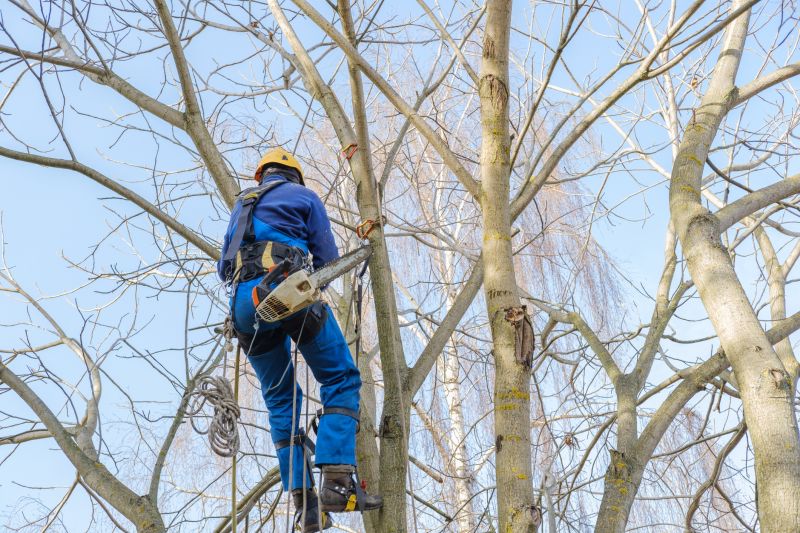
Clearly describe your tree canopy thinning project to help compare local contractors, define scope, verify experience, and set expectations in writing.
- Verify the experience of contractors in performing tree canopy thinning projects similar to the scope needed. - Ensure that service providers clearly define the scope of work and the methods they will use.
- Compare multiple local contractors to assess their approaches and levels of expertise in canopy thinning. - Review references or past project descriptions to gauge the quality of their work.
- Confirm that contractors provide detailed written estimates outlining the scope, techniques, and materials involved. - Clarify expectations and ensure all project aspects are documented before work begins.
- Ask service providers about their approach to thinning to ensure it aligns with the health and safety of the trees. - Ensure that the proposed methods are appropriate for maintaining tree vitality and structure.
- Check that contractors adhere to any relevant local regulations or guidelines related to tree work. - Confirm that the scope of work complies with applicable codes and standards.
- Review the scope of work and project details with each contractor to compare their proposed procedures and coverage. - Make sure the scope addresses all necessary aspects of canopy thinning to meet specific goals.
Use this to compare local contractors, clarify project scope, and set clear expectations in writing.
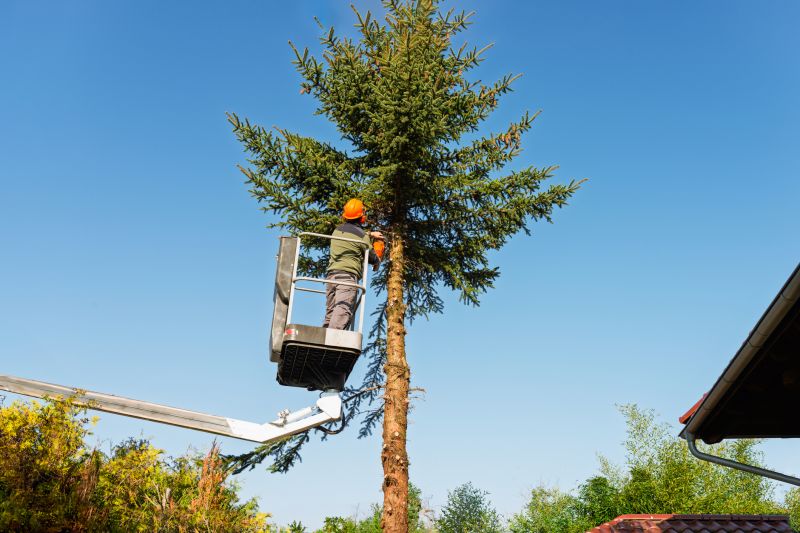

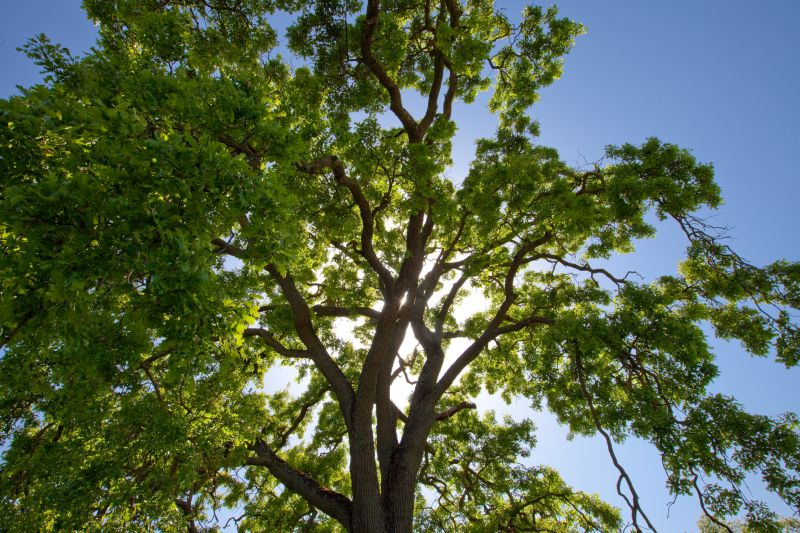
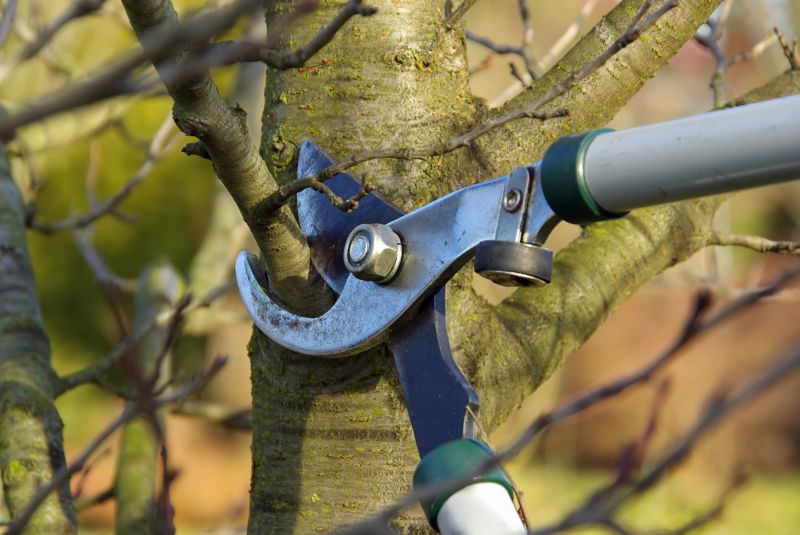
Use consistent comparison criteria to evaluate local contractors’ scope, experience, and written expectations for tree canopy thinning.
- Define project scope - specify the extent and objectives of the tree canopy thinning to ensure clarity.
- Verify experience - confirm that service providers have relevant experience with tree canopy management.
- Assess methods and techniques - understand the approaches and tools that contractors plan to use for thinning.
- Establish written expectations - document the scope, procedures, and responsibilities in a formal agreement.
- Compare local contractors - evaluate multiple service providers based on expertise, reputation, and scope of work.
When evaluating contractors for tree canopy thinning, it is important to consider their experience with similar projects. Service providers who have a history of working on tree thinning or canopy management can demonstrate familiarity with the specific techniques and challenges involved. Asking about past projects that resemble the scope and complexity of the intended work can help gauge their expertise. This background can provide confidence that the contractor understands the nuances of thinning a tree canopy effectively and safely.
A clear, written scope of work is essential for ensuring that expectations are aligned. A reputable contractor should be able to provide a detailed description of the services they will perform, including the specific areas of the canopy to be thinned and any methods or tools they plan to use. Having this scope in writing helps prevent misunderstandings and provides a reference point for both parties. It also allows for comparison between different service providers based on how thoroughly and precisely they define their approach.
Verification of a contractor’s experience can be supported by requesting references or examples of completed projects. While formal licensing or certification may not be required, understanding a contractor’s track record can provide insight into their reliability and quality of work. Asking for details about how they have handled similar projects, and whether clients were satisfied with the results, can help identify service providers who consistently meet expectations. This step is crucial for assessing whether a contractor’s experience aligns with the specific needs of the canopy thinning project.
When comparing options, it is helpful to evaluate how each contractor plans to approach the work and whether their scope and methods match the project’s requirements. Clarify what is included in their service proposal and how they intend to achieve the desired results. Ensuring that the scope is comprehensive and that the contractor’s approach is transparent allows for an informed decision based on the quality and clarity of their proposal. This process helps homeowners select a service provider capable of delivering the work as envisioned, without relying on price as the sole criterion.
Request written scope and expectations from local contractors to ensure clear understanding and consistent work.
- Scope Definition - What specific tree canopy thinning services are included and how do contractors differentiate their scope of work?
- Experience Verification - How can it be confirmed that local contractors have relevant experience with canopy thinning projects?
- Comparison Criteria - What key factors should be used to compare the capabilities and approaches of different service providers?
- Work Approach - How do contractors plan to assess and execute canopy thinning to meet project goals?
- Written Agreements - What details should be clarified and documented in the scope of work to set clear expectations?
What should I consider when choosing a contractor for tree canopy thinning? It’s important to compare local contractors based on experience, scope of work, and the services they offer to ensure the project meets specific needs.
How can I verify a contractor’s experience with canopy thinning? Ask potential service providers about their past projects and request details that demonstrate their familiarity with tree canopy management techniques.
What questions should I ask to define the scope of the project? Clarify what areas will be thinned, the extent of canopy reduction, and any specific goals to ensure the contractor understands the desired outcome.
Why is it important to get written agreements with contractors? Having a clear, written scope of work helps set expectations, prevents misunderstandings, and provides a reference for the project details.
How can I compare different contractors effectively? Review their experience, scope of services, and written proposals to determine which provider aligns best with project needs.
What should I look for in a contractor’s credentials or references? Seek information about their previous work, client references, and any relevant experience related to tree canopy thinning projects.
Understanding the essentials of tree canopy thinning can help in making informed decisions about hiring service providers. Visitors have learned how to define the scope of work, verify the experience of local contractors, and set clear expectations through written agreements. This approach ensures that choosing the right professional is based on comparing options and understanding each contractor’s capabilities.
To find the best fit for tree canopy thinning needs, using the quote form allows for easy comparison of local service providers. Connecting with experienced contractors who can handle the job ensures that the project aligns with specific requirements. Take a moment to explore your options and find the local pros ready to assist with your tree canopy management.